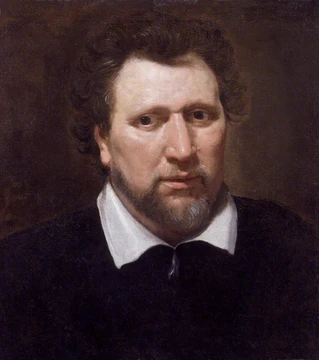
R. C. Sherriff
English writer of Journey's End and many screenplays.

Robert Cedric Sherriff was an English writer best known for his play Journey's End, which drew on his experiences as an army officer in the First World War. He wrote numerous plays, novels, and screenplays, earning nominations for an Academy Award and two BAFTA awards.
- born
- 6 June 1896
- died
- 13 November 1975
- field
- Playwright, novelist, screenwriter
- nationality
- English
- known_for
- Journey's End
Verified Timeline
Lore & Background
Sherriff was born in Hampton Wick, Middlesex, to insurance clerk Herbert Hankin Sherriff and Constance Winder. He was educated at Kingston Grammar School from 1905 to 1913, then worked as an insurance clerk in 1914. During the First World War, he served as an officer in the 9th battalion of the East Surrey Regiment, fighting at Vimy Ridge and Loos, and was severely wounded at Passchendaele near Ypres in 1917. After recovering, he worked as an insurance adjuster from 1918 to 1928 at Sun Insurance Company, London, and later read history at New College, Oxford, from 1931 to 1934. He was a fellow of the Royal Society of Literature and the Society of Antiquaries of London. Sherriff wrote his first play to help Kingston Rowing Club raise money for a new boat. His seventh play, Journey's End, was written during the summer of 1927 in a railway carriage bungalow at Selsey. Published in 1929, it was based on his war experiences. It received a single Sunday performance on 9 December 1928 by the Incorporated Stage Society at the Apollo Theatre, directed by James Whale and starring a 21-year-old Laurence Olivier. Maurice Browne produced it at the Savoy Theatre, where it ran for two years from 1929. The play was hugely successful, with wide press coverage shaping understanding of the First World War in the interwar years. Sherriff also wrote novels, including a novelised version of Journey's End co-written with Vernon Bartlett (1930), The Fortnight in September (1931), Greengates (1936), and The Hopkins Manuscript (1939). His screenplays include Goodbye, Mr. Chips (1939), for which he was nominated for an Academy Award, and The Dam Busters and The Night My Number Came Up (both 1955), each nominated for a BAFTA award for best British screenplay.
Reader's Guide
R. C. Sherriff's significance lies primarily in his play Journey's End, which became a landmark work in shaping interwar perceptions of the First World War. Its success demonstrated how theatre could translate personal wartime experience into a widely resonant narrative. Sherriff's later novels, such as The Fortnight in September and The Hopkins Manuscript, show his range beyond war drama, exploring ordinary life and speculative fiction. His screenwriting career included notable films like Goodbye, Mr. Chips and The Dam Busters, earning him major award nominations. Sherriff's work remains a reference point for understanding the cultural aftermath of the First World War and the evolution of British drama and cinema in the mid-20th century.
Did You Know?
- Sherriff wrote his first play to help Kingston Rowing Club raise money to buy a new boat.
- Journey's End was written during the summer of 1927 in one of the railway carriage bungalows at Selsey.
- The first performance of Journey's End on 9 December 1928 featured a 21-year-old Laurence Olivier in the lead role.
- Sherriff was nominated for an Academy Award for Best Adapted Screenplay for Goodbye, Mr. Chips (1939), alongside Eric Maschwitz and Claudine West.
- The Fortnight in September (1931) was nominated by Kazuo Ishiguro in 2020 as a book to 'inspire, uplift and offer escape' during the COVID-19 pandemic.
From the Trenches to the Stage
Robert Cedric Sherriff's most enduring work grew directly out of the horror he witnessed as a young army officer in the First World War. Serving with the 9th battalion of the East Surrey Regiment, he saw action at both Vimy Ridge and Loos before being severely wounded at Passchendaele near Ypres in 1917. Those experiences haunted him for a decade until the summer of 1927, when he sat down in a railway carriage bungalow at Selsey and wrote what would become his seventh play, Journey's End. The work received a single Sunday matinee on 9 December 1928 at the Apollo Theatre, directed by James Whale, with the then 21-year-old Laurence Olivier taking the lead role. In the audience sat producer Maurice Browne, who brought the play to the Savoy Theatre, where it ran for two years beginning in 1929. The enormous success and the wide press coverage that followed helped shape how the interwar public understood the realities of the Great War, cementing Sherriff's name in British cultural memory.
A Prolific Literary Range
Beyond his celebrated war drama, Sherriff demonstrated remarkable versatility across decades of writing. His very first play was a lighthearted effort penned to help the Kingston Rowing Club raise funds for a new boat, and he went on to produce seventeen stage works between 1921 and 1960. His novelistic output was equally varied: The Fortnight in September (1931) follows a lower-middle-class Dulwich family on a Bognor holiday, a book that Kazuo Ishiguro later singled out in 2020 as one of the most uplifting novels he could recommend during the pandemic. Greengates (1936) tracks a middle-aged London couple relocating into the new Metro-land suburbs, while The Hopkins Manuscript (1939) imagines a post-apocalyptic England after a collision with the Moon, a sober, realistic vision that critics credit as an influence on later science fiction writers such as John Wyndham and Brian Aldiss. He also co-wrote a novelised version of Journey's End with Vernon Bartlett in 1930, and continued publishing novels, historical works, and an autobiography, No Leading Lady, into the late 1960s.
Behind the Camera: The Screenwriter
Sherriff's talent for narrative drama extended powerfully into cinema, where he wrote or co-wrote more than twenty screenplays spanning the 1920s through the early 1960s. His earliest credited script was The Toilers in 1919, and his body of film work includes well-known titles such as The Invisible Man (1933), The Four Feathers (1939), This Above All (1942), and Odd Man Out (1947). His most prestigious recognition came for Goodbye, Mr. Chips (1939), for which he shared a nomination for the Academy Award for Best Adapted Screenplay with Eric Maschwitz and Claudine West. In 1955, two of his screenplays, The Dam Busters and The Night My Number Came Up, were both put forward for BAFTA awards for best British screenplay. This sustained output across nearly five decades of British and international filmmaking underscores that Sherriff was not merely a stage and literary figure but a central craftsman of the pre- and post-war British film industry.
The Man Behind the Words
Born on 6 June 1896 in Hampton Wick, Middlesex, to insurance clerk Herbert Hankin Sherriff and his wife Constance Winder, Robert Cedric Sherriff grew up in a modest professional household. He attended Kingston Grammar School from 1905 to 1913, and immediately after leaving school in 1914 he took a clerkship at an insurance office, a career path he would return to after the war. Following his recovery from the severe wounds sustained at Passchendaele, he worked as an insurance adjuster for the Sun Insurance Company in London from 1918 to 1928, a full decade of office work before his literary fame took hold. He later pursued a degree in history at New College, Oxford, from 1931 to 1934, and was honoured with fellowships in both the Royal Society of Literature and the Society of Antiquaries of London. He died on 13 November 1975, leaving behind a body of work that bridged the stage, the novel, the screen, and historical scholarship.
Frequently Asked Questions
Who is R. C. Sherriff?
Robert Cedric Sherriff (1896–1975) was an English playwright, novelist, and screenwriter whose career spanned much of the twentieth century. He is best remembered for writing Journey's End, a landmark stage drama depicting the final days of a World War I officer's company.
What inspired Journey's End?
Sherriff drew directly on his own service as an army officer during the First World War, channeling the tension, fear, and camaraderie he witnessed in the trenches into the play's dramatic structure. The work went on to become one of the most frequently performed British plays of the century.
What other fields did R. C. Sherriff work in besides theatre?
Beyond the stage, he wrote novels and Hollywood screenplays, earning an Academy Award nomination and two BAFTA nominations for his film work. This made him one of the rare British writers to achieve sustained success across both literary and cinematic mediums.
When was R. C. Sherriff born and when did he die?
He was born on 6 June 1896 in England and died on 13 November 1975. His creative output covered roughly the first three-quarters of the twentieth century.
Why is R. C. Sherriff important to the study of British drama?
Journey's End redefined how the Western Front could be portrayed on stage, shifting the focus from heroism to the psychological strain of ordinary officers under extreme pressure. His work remains a cornerstone of the war-drama canon and is still studied and performed worldwide.
More in Playwrights And Dramatists 25-33
Elsewhere in the Playwrights And Dramatists universe
Spotted an error? Know more?
This is a living reference — every entry is fact-audited, and reader corrections feed straight into our audit queue. Suggest an edit · See this site's audit record