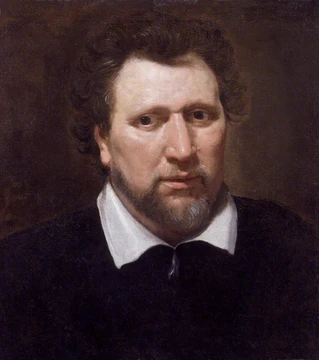
Nicholas Rowe (writer)
English dramatist, poet, and first editor of Shakespeare.

He is best known for his tragedies, his verse translation of Lucan's Pharsalia, and for producing the first modern edition of the works of William Shakespeare.
- field
- Dramatist, poet, miscellaneous writer
- nationality
- English
Lore & Background
Nicholas Rowe was born in Little Barford, Bedfordshire, the son of John Rowe, a barrister and sergeant-at-law, and Elizabeth Edwards. Upon his father's death when Rowe was nineteen, he inherited an independent fortune and abandoned law for poetry and playwriting. He also held posts as clerk of the council to the Prince of Wales and clerk of the presentations in Chancery.
Reader's Guide
Nicholas Rowe's significance rests on three main achievements: his influential edition of Shakespeare's works, his popular tragedies, and his verse translation of Lucan. Though he used the corrupt Fourth Folio as his base text, his edition set a standard for scholarly presentation. His plays, particularly The Fair Penitent and Jane Shore, were praised by Samuel Johnson and remained in the repertory for decades. The character Lothario from The Fair Penitent became a byword for a rake, and the play influenced Samuel Richardson's Clarissa. His widow received a pension from George I in recognition of his translation. Though his own works are now seldom performed, his editorial legacy and his role in shaping 18th-century taste for Shakespeare and neoclassical tragedy remain notable.
Did You Know?
- Rowe was the first editor to divide Shakespeare's plays into scenes and acts, and to prefix each play with a list of dramatis personae.
- His translation of Lucan's Pharsalia was called by Samuel Johnson 'one of the greatest productions in English poetry'.
- The character Lothario from Rowe's The Fair Penitent became synonymous with a rake.
The Prolific Stage Career
The character Calista is credited with inspiring Samuel Richardson's Clarissa Harlowe.
Shakespeare's First Modern Editor
Widely considered the first true editor of Shakespeare, Rowe brought a practical, stage-informed sensibility to the task. He divided the plays into scenes—and in some cases into acts—marking the entrances and exits of characters in a way that reflected his own deep familiarity with theatrical production. He also normalised the inconsistent spelling of character names throughout the texts and prefixed each play with a clear list of dramatis personae, making the works far more accessible to readers who had no direct experience of the stage. This edition represented a significant shift from earlier, less systematic publications and set a precedent for how Shakespeare's plays would be organised and presented to subsequent generations. The fact that a working dramatist with hands-on knowledge of how plays functioned in performance undertook the editorial work gave the project a distinctive authority that purely scholarly editors might have lacked.
A Life of Fortune, Loss, and Literary Devotion
There, Rowe approached legal texts not as mere collections of precedent but as a rational system of governance. When his father died and Rowe was just nineteen, he inherited an independent fortune and, freed from obligation, abandoned the law entirely to pursue poetry and drama.
Public Service and Lasting Memorial
Beyond the stage and the printing press, Rowe held a series of significant public appointments that reflected his political connections and literary reputation. The inscription on his tomb places his bust near Shakespeare's and praises his gift for drawing the tender tear and firing nobler sentiment.
Frequently Asked Questions
What is Nicholas Rowe (writer) best known for?
He is most celebrated for his tragedies, his verse rendering of Lucan's Pharsalia, and for compiling the first modern collected edition of Shakespeare's plays. That Shakespeare edition in particular established a framework for how the Bard's works would be published for centuries.
More in Playwrights And Dramatists 25-33
Elsewhere in the Playwrights And Dramatists universe
Spotted an error? Know more?
This is a living reference — every entry is fact-audited, and reader corrections feed straight into our audit queue. Suggest an edit · See this site's audit record