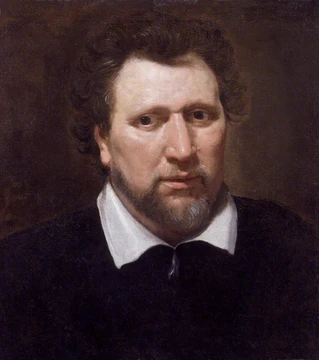
Antonio García Gutiérrez
Spanish Romantic dramatist whose play *El trovador* inspired Verdi's *Il trovatore*.

via Wikipedia: Antonio García Gutiérrez · see source
Antonio García Gutiérrez (5 July 1813 – 6 August 1884) was a Spanish Romantic dramatist. After studying medicine in his native town, he moved to Madrid in 1833 and earned a meager living translating plays of Eugène Scribe and Alexandre Dumas, père. He suddenly sprang into fame as the author of *El trovador* (The Troubadour), first played on 1 March 1836. His next great success was *Simón Bocanegra* in 1843. Though his poetry volumes *Poesías* (1840) and *Luz y tinieblas* (1842) are comparatively minor, his plays' versification and power of analysing feminine emotions give him a leading position among 19th-century Spanish dramatists.
- born
- 5 July 1813
- died
- 6 August 1884
- field
- Dramatist
- nationality
- Spanish
- known_for
- Play *El trovador* (adapted by Verdi as *Il trovatore*)
Verified Timeline
Lore & Background
Born on 5 July 1813, García Gutiérrez studied medicine in his native town before moving to Madrid in 1833. There he earned a meager living translating plays by Eugène Scribe and Alexandre Dumas, père. Lacking success, he was on the point of enlisting when he suddenly sprang into fame as the author of *El trovador*, played for the first time on 1 March 1836. His next great success was *Simón Bocanegra* in 1843. Although recognized as one of the leaders of the Romantic movement in Spain, his plays were not immediately lucrative, and he emigrated to Spanish America, working as a journalist in Cuba and Mexico until 1850, when he returned to Spain. After his return, he became known all over Europe through Giuseppe Verdi's opera *Il trovatore* (1853), adapted from *El trovador*. Verdi then adapted *Simón Bocanegra* into the opera *Simon Boccanegra* (1857). His later works include the zarzuela *El grumete* (1853), *La venganza catalana* (1864), and *Juan Lorenzo* (1865). He became head of the archaeological museum at Madrid, the city where he died on 6 August 1884.
Reader's Guide
Antonio García Gutiérrez holds a leading position among Spanish dramatists of the 19th century, recognized as one of the leaders of the Romantic movement in Spain. His play *El trovador*, premiering on 1 March 1836, brought him sudden fame and later became the source for Giuseppe Verdi's opera *Il trovatore* (1853), making him known all over Europe. His next great success, *Simón Bocanegra* (1843), was also adapted by Verdi into *Simon Boccanegra* (1857). While his poetry volumes *Poesías* (1840) and *Luz y tinieblas* (1842) are considered comparatively minor, his plays are praised for their versification and his power of analysing feminine emotions. His career included a period of emigration to Spanish America, where he worked as a journalist in Cuba and Mexico until 1850. After returning to Spain, he continued writing, producing the zarzuela *El grumete* (1853), *La venganza catalana* (1864), and *Juan Lorenzo* (1865). He later became head of the archaeological museum at Madrid.
Did You Know?
- García Gutiérrez studied medicine in his native town before moving to Madrid in 1833.
- He earned a meager living translating plays by Eugène Scribe and Alexandre Dumas, père.
- He was on the point of enlisting when *El trovador* premiered on 1 March 1836 and brought him sudden fame.
- He emigrated to Spanish America and worked as a journalist in Cuba and Mexico until 1850.
- He became head of the archaeological museum at Madrid, where he died.
Frequently Asked Questions
Who is Antonio García Gutiérrez?
He was a Spanish Romantic-era playwright born on 5 July 1813 and died on 6 August 1884. He is widely regarded as one of the leading dramatists of nineteenth-century Spain.
What is Antonio García Gutiérrez's most famous play?
His signature work is *El trovador* (The Troubadour), which premiered in 1836 and became his most celebrated dramatic piece.
How did Antonio García Gutiérrez connect to Giuseppe Verdi?
Verdi drew directly on García Gutiérrez's *El trovador* as the source material for his opera *Il trovatore*, giving the Spanish play a lasting life on the operatic stage.
What made García Gutiérrez's dramatic style stand out among his contemporaries?
Critics highlighted his skillful versification and his nuanced, psychologically rich portrayal of women's inner emotional lives, which set his verse drama apart in the Romantic tradition.
Why is Antonio García Gutiérrez important in the history of Spanish theatre?
He helped define the voice of Spanish Romantic drama in the 1830s and beyond, and his influence extended well past Spain's borders when Verdi adapted his work into one of the most performed operas of the nineteenth century.
More in Playwrights And Dramatists 1-24
Elsewhere in the Playwrights And Dramatists universe
Spotted an error? Know more?
This is a living reference — every entry is fact-audited, and reader corrections feed straight into our audit queue. Suggest an edit · See this site's audit record