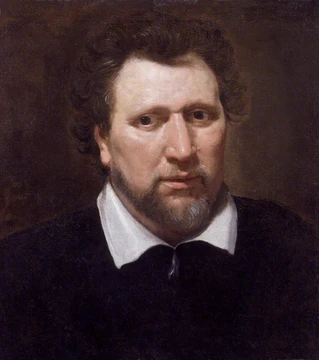
Noël Coward
English playwright, composer, director, actor, and singer known for wit and style.
Sir Noël Peirce Coward (16 December 1899 – 26 March 1973) was an English playwright, composer, director, actor, and singer. He was famous for his sharp wit and flamboyant manner, with *Time* magazine describing his style as "a combination of cheek and chic, pose and poise." As a child, Coward attended a dance academy in London and made his first professional stage appearance at age eleven. Through his teenage years, he gained entry into the high society that would later form the backdrop for most of his plays. Over his career, he wrote more than 50 plays, starting in his teens, and many—including *Hay Fever*, *Private Lives*, *Design for Living*, *Present Laughter*, and *Blithe Spirit*—remain staples of the theatre. He also composed hundreds of songs, created over a dozen musical theatre works (such as the operetta *Bitter Sweet* and comic revues), wrote screenplays, poetry, several short story collections, the novel *Pomp and Circumstance*, and a three-volume autobiography. Coward acted and directed on stage and film for six decades, often starring in his own works as well as those by others.
During the Second World War, Coward volunteered for war work, running the British propaganda office in Paris. He also collaborated with the Secret Service, using his influence to try to persuade the American public and government to aid Britain. In 1943, he received an Academy Honorary Award for his naval film drama *In Which We Serve*, and he was knighted in 1970. In the 1950s, he found renewed success as a cabaret performer, singing his own songs like "Mad Dogs and Englishmen," "London Pride," and "I Went to a Marvellous Party." His plays and songs regained popularity in the 1960s and 1970s, and his work and style continue to influence popular culture. Coward never publicly acknowledged his homosexuality, but after his death, biographers—including his long-time partner Graham Payn—discussed it openly, and his posthumously published diaries and letters also addressed it. In 2006, the former Albery Theatre (originally the New Theatre) in London was renamed the Noël Coward Theatre in his honor.
Coward was born in 1899 in Teddington, Middlesex, a south-western London suburb. His father, Arthur Sabin Coward, was a piano salesman, and his mother, Violet Agnes Coward, was the daughter of a Royal Navy captain and surveyor. He was the second of three sons; the eldest died at age six in 1898. His father lacked ambition and industry, so the family often struggled financially. Coward caught "the theatre bug" early, performing in amateur concerts by age seven. He attended the Chapel Royal Choir School as a young child and had little formal schooling but read voraciously. Encouraged by his ambitious mother, who sent him to a dance academy, his first professional job came in January 1911, playing Prince Mussel in the children's play *The Goldfish*. In his first memoir, *Present Indicative*, Coward recalled seeing an ad in the *Daily Mirror* for a talented boy for the play, and he felt sure he fit the bill.
The actor-manager Charles Hawtrey, whom Coward idolised and learned much from, cast him in the children's play *Where the Rainbow Ends*, which Coward performed in 1911 and 1912 at the Garrick Theatre in London's West End. In 1912, he also danced in the ballet *An Autumn Idyll* at the Savoy Theatre and appeared at the London Coliseum in *A Little Fowl Play*. Italia Conti hired him for the Liverpool Repertory Theatre in 1913, and that same year he played the Lost Boy Slightly in *Peter Pan*. He returned to *Peter Pan* the following year and performed again in *Where the Rainbow Ends* in 1915. During this period, he worked with other child actors, including Hermione Gingold (whose mother threatened to throw "that naughty boy" out), Fabia Drake, Esmé Wynne (with whom he wrote his earliest plays), Alfred Willmore (later known as Micheál Mac Liammóir), and Gertrude Lawrence, who gave him an orange and told him "mildly dirty stories"—he loved her from then on.
In 1914, at fourteen, Coward became the protégé and likely lover of society painter Philip Streatfeild. Streatfeild introduced him to Mrs. Astley Cooper and her high-society circle. Streatfeild died of tuberculosis in 1915, but Mrs. Astley Cooper continued to support Coward, who often stayed at her estate, Hambleton Hall in Rutland. Coward kept performing through most of the First World War, appearing at the Prince of Wales Theatre in 1916 in *The Happy Family* and touring with Amy Brandon Thomas's company in *Charley's Aunt*. In 1917, he appeared in *The Saving Grace*, a comedy produced by Hawtrey, who taught him many technical points of comedy acting that Coward used for the rest of his life. Meanwhile, Coward wrote songs; the oldest known recording of one is Bessie Jones's 1918 recording of "Peter Pan," cowritten with Doris Joel, featured in the André Charlot revue *Tails Up!*. In 1918, Coward was...
- born
- 16 December 1899
- died
- 26 March 1973
- field
- Playwright, composer, director, actor, singer
- nationality
- English
- known_for
- Wit, flamboyance, and a sense of personal style; over 50 plays; songs such as 'M
Lore & Background
Coward was born in 1899 in Teddington, Middlesex, a south-western suburb of London, to Arthur Sabin Coward, a piano salesman, and Violet Agnes Coward. He attended a dance academy in London as a child, making his professional stage début at the age of eleven as Prince Mussel in the children's play The Goldfish. As a teenager he was introduced into the high society in which most of his plays would be set, becoming the protégé and probably the lover of society painter Philip Streatfeild. Coward continued to perform during most of the First World War, and in 1918 he was conscripted into the Artists Rifles but was discharged on health grounds due to a tubercular tendency. Coward achieved his first great critical and financial success as a playwright with The Vortex in 1924. He composed hundreds of songs, in addition to well over a dozen musical theatre works including the operetta Bitter Sweet and comic revues, screenplays, poetry, several volumes of short stories, the novel Pomp and Circumstance, and a three-volume autobiography. At the outbreak of the Second World War, Coward volunteered for war work, running the British propaganda office in Paris and working with the Secret Service to persuade the American public and government to help Britain. He won an Academy Honorary Award in 1943 for his naval film drama In Which We Serve and was knighted in 1970. In the 1950s Coward achieved fresh success as a cabaret performer, performing his own songs such as 'Mad Dogs and Englishmen', 'London Pride', and 'I Went to a Marvellous Party'. He did not publicly acknowledge his homosexuality, but it was discussed candidly after his death by biographers including Graham Payn, his long-time partner, and in Coward's diaries and letters, published posthumously.
Reader's Guide
Noël Coward's significance lies in his prolific and versatile output across theatre, film, music, and literature. His plays and songs achieved new popularity in the 1960s and 1970s, and his work and style continue to influence popular culture. Coward's stage and film acting and directing career spanned six decades, during which he starred in many of his own works as well as those of others. His legacy is marked by the renaming of the former Albery Theatre in London as the Noël Coward Theatre in 2006. Coward's personal life, particularly his homosexuality, became a subject of posthumous discussion through biographies and his published diaries and letters. His combination of cheek and chic, pose and poise, as noted by Time, remains emblematic of his enduring cultural impact.
Did You Know?
- Coward made his professional stage début at age eleven as Prince Mussel in the children's play The Goldfish, after his mother spotted a little advertisement in the Daily Mirror.
- At fourteen, Coward became the protégé and probably the lover of society painter Philip Streatfeild, who introduced him to high society.
- Coward was conscripted into the Artists Rifles in 1918 but was discharged after nine months due to a tubercular tendency.
- He won an Academy Honorary Award in 1943 for his naval film drama In Which We Serve.
- The former Albery Theatre in London was renamed the Noël Coward Theatre in 2006.
The Many Hats of a Complete Artist
Noël Coward was a figure of almost unmatched versatility in the English performing arts. Over a career spanning six decades, he wrote, directed, acted in, and composed music for his own productions while also contributing to the work of others. His theatrical output was staggering: more than fifty plays emerged from his pen beginning in his teens, alongside hundreds of songs and well over a dozen musical theatre pieces, among them the operetta Bitter Sweet and a string of comic revues. Beyond the stage, he penned screenplays, poetry, several volumes of short stories, a novel titled Pomp and Circumstance, and a three-volume autobiography. Time magazine captured his public persona as a blend of cheek and chic, pose and poise—a personal style that felt both daring and effortless. He starred in his own works and those of others, moving fluidly between writing, performing, and directing.
From Child Star to Wartime Hero
Coward's professional life began astonishingly early. At just eleven, he landed a role as Prince Mussel in the children's fairy play The Goldfish, a part he won after spotting a little advertisement in the Daily Mirror. The leading actor-manager Charles Hawtrey, whom the boy idolized, went on to cast him in Where the Rainbow Ends and later in The Saving Grace, where Hawtrey's patient direction taught him technical comedy skills he credited for the rest of his career. The First World War interrupted his trajectory: conscripted into the Artists Rifles, he was discharged after nine months on account of a tubercular tendency. The Second World War, by contrast, found him volunteering for active service. He ran the British propaganda office in Paris and collaborated with the Secret Service, leveraging his social connections to press the American public and government toward supporting Britain. His 1943 naval film In Which We Serve earned him an Academy Honorary Award, and in 1970 the Crown formally recognized his contributions with a knighthood.
Enduring Repertoire and Cultural Afterlife
A select group of Coward's comedies—Hay Fever, Private Lives, Design for Living, Present Laughter, and Blithe Spirit—have maintained a permanent place in the regular theatre repertoire. His songs, too, transcended their original contexts: 'Mad Dogs and Englishmen,' 'London Pride,' and 'I Went to a Marvellous Party' became standards he performed to great acclaim during a fresh wave of cabaret success in the 1950s. The 1960s and 1970s brought renewed popular attention to both his plays and his music, and his distinctive blend of flamboyance and precision continues to shape popular culture. In 2006, London's former Albery Theatre, originally the New Theatre, was renamed the Noël Coward Theatre in his honour, ensuring that a central West End venue would carry his name for generations to come.
The Private Man Behind the Persona
Behind the public spectacle lay a life shaped by modest beginnings and complicated loyalties. Born in 1899 in Teddington, a south-western London suburb, Coward grew up in a household where his father, a piano salesman, lacked ambition and the family finances were often poor. His mother, the daughter of a Royal Navy captain, proved the more driving force, sending the young boy to a dance academy in London and nurturing his theatrical ambitions. He had little formal schooling but read voraciously and attended the Chapel Royal Choir School. At fourteen, the society painter Philip Streatfeild became his protégé and likely lover, opening doors to the high-society circles that would later populate his plays. After Streatfeild's death from tuberculosis in 1915, Mrs Astley Cooper continued to shelter him at her Rutland estate. Coward never publicly acknowledged his homosexuality; it was only after his death that biographers such as Graham Payn, his long-time partner, and the posthumous publication of his diaries and letters brought that dimension of his life into candid view.
Frequently Asked Questions
Who is Noël Coward?
Noël Coward was an English theatrical figure who worked across playwriting, composing, directing, acting, and singing. He is best remembered for his sharp wit, flamboyant stage presence, and a distinctive blend of cheekiness and elegance that defined his public persona.
What are Noël Coward's most famous plays?
His most enduring works include Private Lives, Hay Fever, Design for Living, Blithe Spirit, and Present Laughter. These comedies have remained in active theatre repertoires for decades since their original productions.
What made Noël Coward's style so distinctive?
Coward was celebrated for a personal style that blended cheek and chic, pose and poise, as contemporaries and critics alike noted. His razor-sharp dialogue and effortlessly theatrical stage manner made him as recognizable a presence as any of his characters.
How prolific was Noël Coward as a playwright?
He published more than fifty plays from his teenage years through his later career. Beyond the stage, he also composed well-known songs such as 'Mad Dogs and Englishmen' and 'London Pride.'
When was Noël Coward born and when did he die?
He was born on 16 December 1899 and passed away on 26 March 1973. His career spanned roughly six decades of English and international theatre.
More in Playwrights And Dramatists 1-24
Spotted an error? Know more?
This is a living reference — every entry is fact-audited, and reader corrections feed straight into our audit queue. Suggest an edit · See this site's audit record