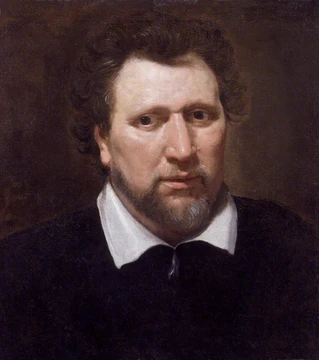
Renato Simoni
Italian journalist, playwright, and critic of the theatre.
Renato Simoni (5 September 1875 – 5 July 1952) was an Italian journalist, playwright, writer, and theatrical critic, best known for his collaboration with Giuseppe Adami on Giacomo Puccini's opera *Turandot*. Born in Verona, Simoni faced hardship early in life when his father died in 1879, leaving him as the sole provider for his mother and sister. To support them, he worked as a private tutor, teaching Latin, and the family often relied on meals from a monastery kitchen. At nineteen, he began his career in journalism, first as an editor and critic for the Veronese newspaper *L'Adige* and later for *L'Arena*. In 1899, he relocated to Milan, where his theatrical work flourished. Among his notable comedies are *La Vedova* (1902), followed by *Carlo Gozzi* (1903), *Tramondo* (1906), *Congedo* (1910), and *Il matrimonio di Casanova*. In 1914, Simoni succeeded John Pozza as an author and critic for the prominent newspaper *Corriere della Sera*, a position he held for the rest of his life. He also directed the weekly magazine *La Tradotta*. His extensive body of critical writings was compiled by Lucio Ridenti in 1951 under the title *Trent'anni di cronaca drammatica*, published in 1960. In 1952, Simoni donated 40,000 volumes of his writings and reviews to the Museum of La Scala, dedicating the collection to his mother, Livia; the museum’s library was subsequently named the Biblioteca Livia Simoni. He died in Milan in 1952 and is interred at the city’s Monumental Cemetery. In 1958, the Premio "Renato Simoni" was established in Verona, awarded annually on July 5 to individuals who have dedicated their lives to dramatic theater.
- field
- Journalism, playwriting, theatrical criticism
- nationality
- Italian
- known_for
- Collaboration with Giuseppe Adami on Giacomo Puccini's Turandot
Lore & Background
Renato Simoni was an Italian journalist, playwright, writer, and theatrical critic, recognized for his collaboration with Giuseppe Adami on Giacomo Puccini’s opera *Turandot*. Born in Verona, he lost his father in 1879 and became the sole provider for his mother and sister, often relying on monastery kitchens for food. He worked as a private Latin tutor before beginning his journalism career at age nineteen. His early roles included editor and critic for the Veronese newspapers *L’Adige* and *L’Arena*. In 1899, he moved to Milan. Among his notable comedies are *La Vedova* (1902), *Carlo Gozzi* (1903), *Tramondo* (1906), *Congedo* (1910), and *Il matrimonio di Casanova*. In 1914, he succeeded John Pozza as author and critic for the major newspaper *Corriere della Sera*, a position he held for the rest of his life. He also directed the weekly magazine *La Tradotta*. His collected writings and criticisms were published in 1960 under the title *Trent’anni di cronaca drammatica*, compiled by Lucio Ridenti in 1951. In 1952, Simoni donated 40,000 volumes of his writings and reviews to the Museum of La Scala, dedicating them to his mother, Livia; the museum’s library was subsequently named the Biblioteca Livia Simoni. He died in Milan in 1952 and is buried at the city’s Monumental Cemetery. An award, the Premio “Renato Simoni,” was established in Verona in 1958, given annually on July 5 to individuals who have dedicated most of their lives to dramatic theater.
Reader's Guide
Renato Simoni’s career was defined by his total immersion in the theatrical world. Beginning as a journalist and critic for Veronese newspapers, he later moved to Milan, where he eventually succeeded John Pozza as the lead critic for the influential *Corriere della Sera*, a role he held for the rest of his life. Beyond criticism, he was a prolific playwright, producing notable comedies such as *La Vedova* and works including *Carlo Gozzi*, *Tramondo*, *Congedo*, and *Il matrimonio di Casanova*. His critical writings were later collected into a multi-volume set titled *Trent'anni di cronaca drammatica*. Simoni’s most enduring legacy, however, stems from his collaboration with Giuseppe Adami on the libretto for Giacomo Puccini’s opera *Turandot*, which cemented his place in operatic history. His personal dedication to the art form was matched by his philanthropy; in 1952, he donated 40,000 volumes of his writings and reviews to the Museum of La Scala, establishing the Biblioteca Livia Simoni in his mother’s memory. After his death, the city of Verona instituted the annual Premio "Renato Simoni" award, given to individuals who have devoted their lives to dramatic theatre, ensuring his name remains synonymous with theatrical passion and scholarship.
Did You Know?
- The museum library was named Biblioteca Livia Simoni after his mother.
- The Premio 'Renato Simoni' award ceremony is held every year on 5 July in Verona.
Frequently Asked Questions
What is Renato Simoni best known for?
He is most widely recognized for co-writing the libretto of Giacomo Puccini's opera Turandot together with Giuseppe Adami. That collaboration remains his single most enduring contribution to the operatic repertoire.
What fields did Renato Simoni work in?
His professional life spanned journalism, playwriting, and criticism of the theatre. He moved between the written press and the stage throughout his career in Italy.
Why does Renato Simoni matter in opera and theatre history?
His partnership with Adami supplied Puccini with the libretto for Turandot, one of the most frequently staged operas of the twentieth century. Beyond that collaboration, his work as a critic and playwright helped shape Italian theatrical discourse in the early 1900s.
More in Playwrights And Dramatists 1-24
Spotted an error? Know more?
This is a living reference — every entry is fact-audited, and reader corrections feed straight into our audit queue. Suggest an edit · See this site's audit record